What it is
- Gallbladder removal, also known as a cholecystectomy, is an operation to remove your gallbladder.
- The gallbladder is a small organ in the upper right part of your tummy. It stores a fluid called bile that helps digest food.
- You can live without a gallbladder and continue to eat a normal, healthy diet after it's been removed.
- Your gallbladder may need to be removed if gallstones (stones that form in the gallbladder) are causing problems, such as frequent tummy pain.
- You'll usually have to spend a day in hospital when having your gallbladder removed and should be able to go home on the same day.
- It can take several weeks to recover after your gallbladder is removed. You'll have some pain and discomfort after the operation, but you should be given painkillers to take for a few days.
Why it's done
Reasons for having your gallbladder removed
Gallbladder removal (cholecystectomy) is often recommended if you have gallstones that are causing problems like severe or frequent tummy pain.
If a gallstone blocks a bile duct (a small tube that connects the gallbladder to the liver), a substance called bile can build up in your gallbladder.
This can cause your skin and the whites of your eyes to turn yellow (jaundice). Your gallbladder can also become inflamed.
Your gallbladder may not need to be removed if you have gallstones that are not causing any symptoms.
Preparations
How to prepare for gallbladder removal
Before having your gallbladder removed (cholecystectomy), try to lose weight if you're overweight.
If you smoke, you should stop at least 6 weeks before having surgery.
Pre-admission clinic
A few weeks before your operation, you'll usually be asked to attend a pre-admission clinic. This is to make sure you're well enough for it to go ahead.
At this appointment, your doctor or nurse may:
- ask about your medical history and any medicines you're taking
- do some tests, such as blood tests, an X-ray, and a test that records your heart's electrical activity (electrocardiogram or ECG)
- ask how you'll get home after the operation and who will look after you
You may also meet the healthcare team involved in your care so you can learn more about the operation. You can ask questions about the procedure and your recovery.
Prepare for recovering at home
It's a good idea to prepare for when you get home after the operation.
You might want to think about:
- how you're going to get home after the operation
- who will look after you for the first day or so while you recover
- talking to your employer about returning to work (if you work)
How it's done
What happens during gallbladder removal
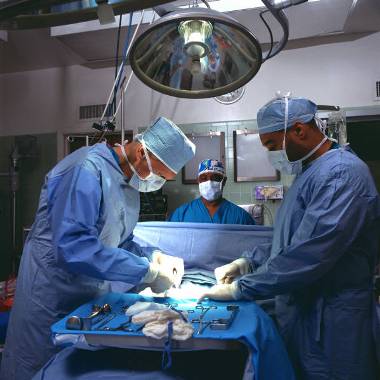
If you're having surgery to remove your gallbladder (cholecystectomy), you'll either go into hospital on the day of the operation or the day before.
You should not eat or drink anything before the operation so that your stomach is empty. Follow any instructions you're given about how long before your operation you should not eat or drink for.
Just before the operation, a nurse will take you to the operating theatre where a member of your care team will ask you a few questions and do some routine checks.
You'll have a general anaesthetic so you'll be asleep during the operation and unable to feel any pain or discomfort.
The operation usually takes about 1 hour.
Keyhole surgery
Most people have keyhole surgery (laparoscopic cholecystectomy) if they need to have their gallbladder removed.
The main steps of a laparoscopic cholecystectomy are:
- The surgeon makes a small cut in your tummy, usually just below your belly button, and a few other small cuts on the right-hand side of your tummy (some surgeons use a technique where only a single cut is made).
- Air is pumped into your tummy to allow the surgeon to see inside.
- A thin, flexible tube with a camera inside (a laparoscope) is passed into your tummy so video images can be shown on a screen.
- The surgeon uses small surgical tools to remove your gallbladder. These are passed through the cuts in your tummy.
- After your gallbladder has been removed, the air is let out of your tummy and the cuts are closed with stitches and a dressing is placed on top.
- Following the operation, you'll stay in a recovery room until you're fully awake, where you may be given medicines to help with the pain.
Open surgery
Open surgery is sometimes used to remove the gallbladder. It’s only used if the gallbladder is very inflamed, or if it’s not possible to remove it using keyhole surgery.
During open surgery, a single larger cut is made in your tummy, which means you may have more pain afterwards and take longer to recover.
Recovery
How to recover from gallbladder removal
You can usually go home on the same day as having your gallbladder removed. But some people may need to stay in hospital overnight.
To make sure you have a good recovery, it's important to manage your pain and look after your wounds. You may be given medicines to help with the pain.
Before you leave hospital, a member of your care team will check to make sure you're ready to leave.
You'll be told if you need a follow-up appointment to have your stitches removed. Some types of stitches dissolve over time and do not need to be removed.
Recovering at home
After having your gallbladder removed, there are some things you can do to help with your recovery when you leave hospital and when you get home.
Do
- ask a friend or relative to drive you home from the hospital
- ask a friend or relative to stay with you for the first 24 hours to look after you
- take painkillers to help ease the pain – your wounds will be painful for a few days
- eat a normal, healthy diet – you may find it easier to eat small meals for the first few days
- start doing some light activity but build up gradually and avoid strenuous exercise
- follow the advice given by your care team about caring for your wound – you may be able to remove your dressing a few days after surgery
Don’t
- do not drive until you're able to do an emergency stop without any pain or discomfort – check your insurance policy to see if there are any rules about driving after surgery
Going back to work
You may be able to return to work 1 to 2 weeks after having your gallbladder removed, depending on the type of work you do and the type of surgery you've had.
If your job involves heavy lifting or standing for long periods, you might not be able to go back to work as soon.
Complications
Possible complications of gallbladder removal
Gallbladder removal (cholecystectomy) is a common and safe procedure.
But as with any operation there are risks, including:
- blood clots or DVT – to reduce the risk your doctor might suggest wearing compression stockings or taking anticoagulant medicines
- your wounds getting infected – the risk of infection is small and if it does happen it will usually be treated with antibiotics
- damage to internal organs or bile ducts (small tubes that connect the gallbladder to the liver) – the chance of this happening is small but if it does you may need further surgery
- bile leaking into your tummy – this is rare but if it happens you'll need another operation to drain the bile from your tummy
- gallstones left in your bile ducts or tummy – the chance of this happening is small but if it does you may have problems, such as pain and yellowing of the skin and whites of your eyes (jaundice), and you may need further treatment
Your chance of having problems depends on your age and general health. Your doctor will explain the risks to you in more detail.
Symptoms after gallbladder removal
After having your gallbladder removed, symptoms you may have include:
- feeling sick (nausea)
- being sick (vomiting)
- indigestion
- tummy pain
- diarrhoea
This is sometimes called post-cholecystectomy syndrome.
These symptoms usually improve soon after the operation, but contact your GP or care team if you continue to have them. You may need some tests and be given medicines to help.
Ask for an urgent GP appointment or get help from NHS 111 Wales if:
- you have severe or worsening pain that does not go away
- pus is oozing from your wounds
- you have pain or swelling around your wounds or they are red and tender (redness may be difficult to see on brown or black skin)
- your skin or the whites of your eyes are yellow
- you have swelling, tenderness, throbbing or cramping pain in your leg
- your temperature is very high, or you feel hot, cold or shivery
These symptoms could be signs of a problem, such as an infection or a blood clot.
You can call 111 or get help from 111 Wales online.
Call 999 or go to A&E if:
You have pain and swelling in your leg and:
- you're having difficulty breathing
- you have chest pains
This could be a blood clot in the lungs (pulmonary embolism), which needs to be treated immediately.
Find your nearest A&E
Do not drive to A&E. Ask someone to drive you or call 999 and ask for an ambulance.
Bring any medicines you take with you.
The information on this page has been adapted by NHS Wales from original content supplied by  NHS website nhs.uk
Last Updated:
06/10/2026 15:12:40